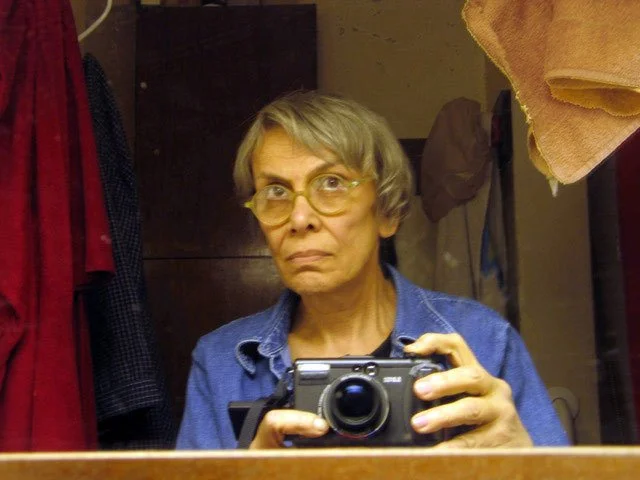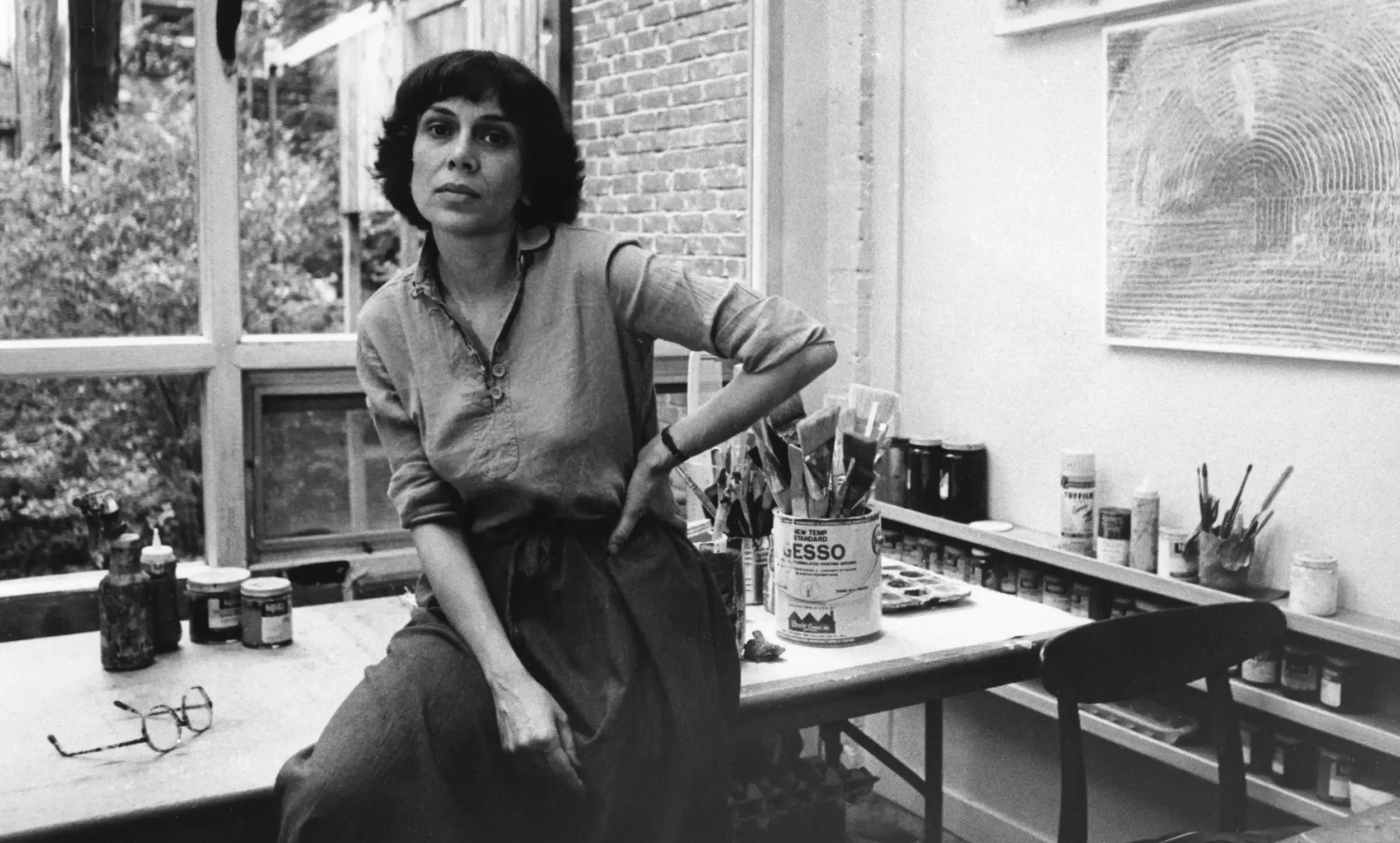
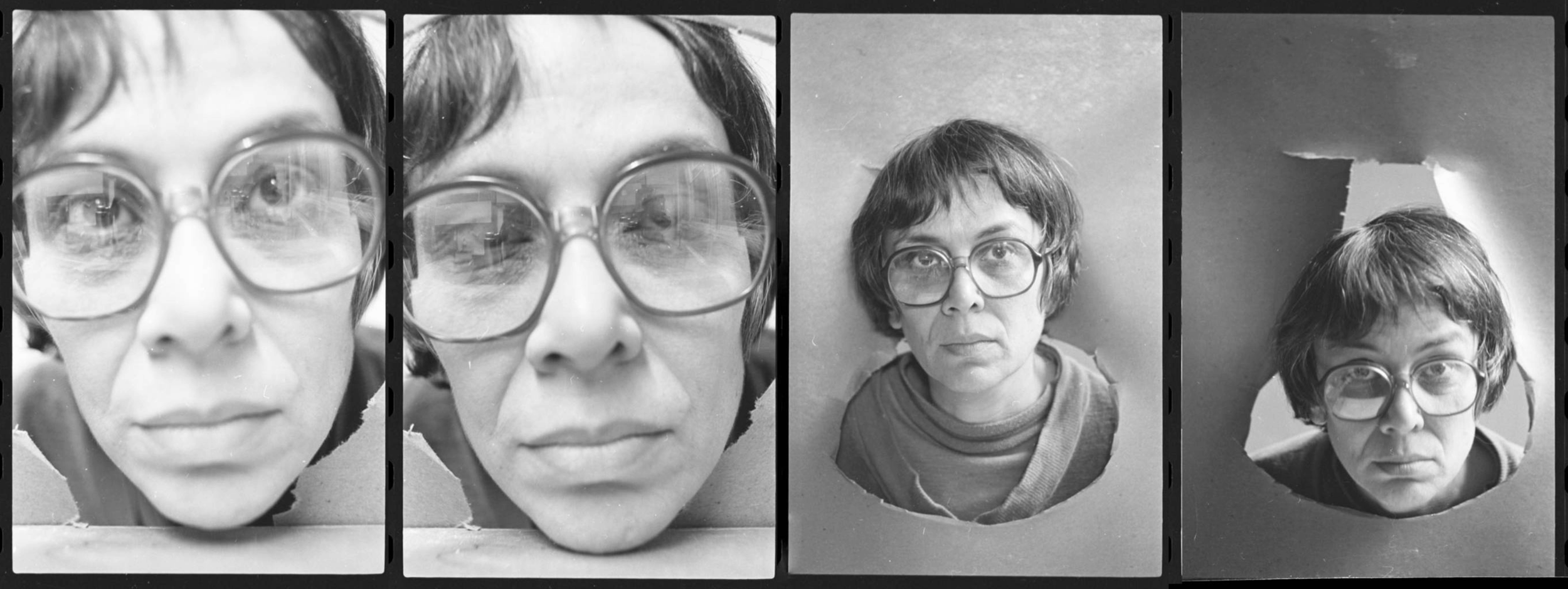
Judy Seigel (1930–2017) was an illustrator, painter, photographer and feminist activist/writer from Greenwich Village, NY, who crossed artistic boundaries and verbal swords as an alternative photography pioneer.
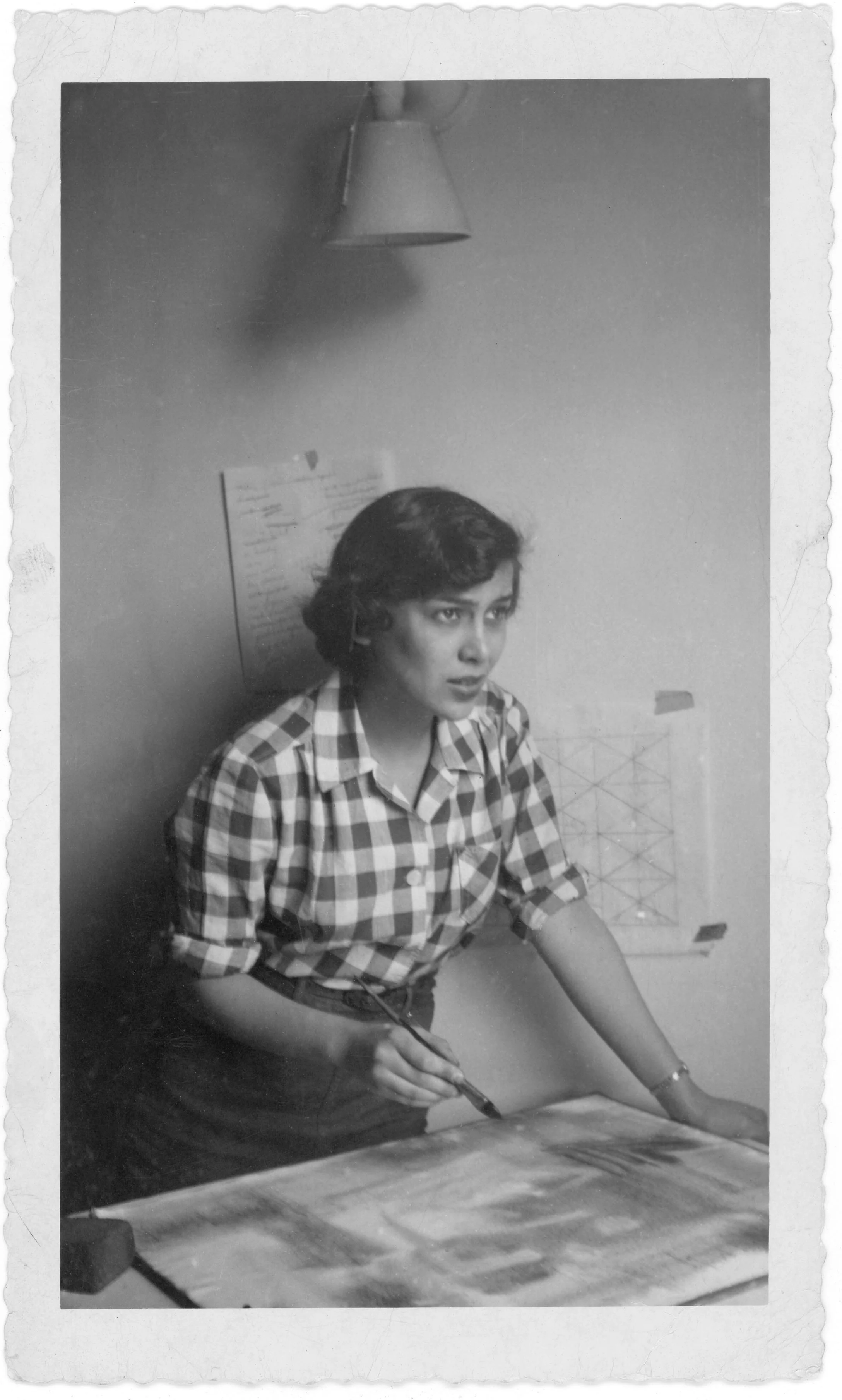
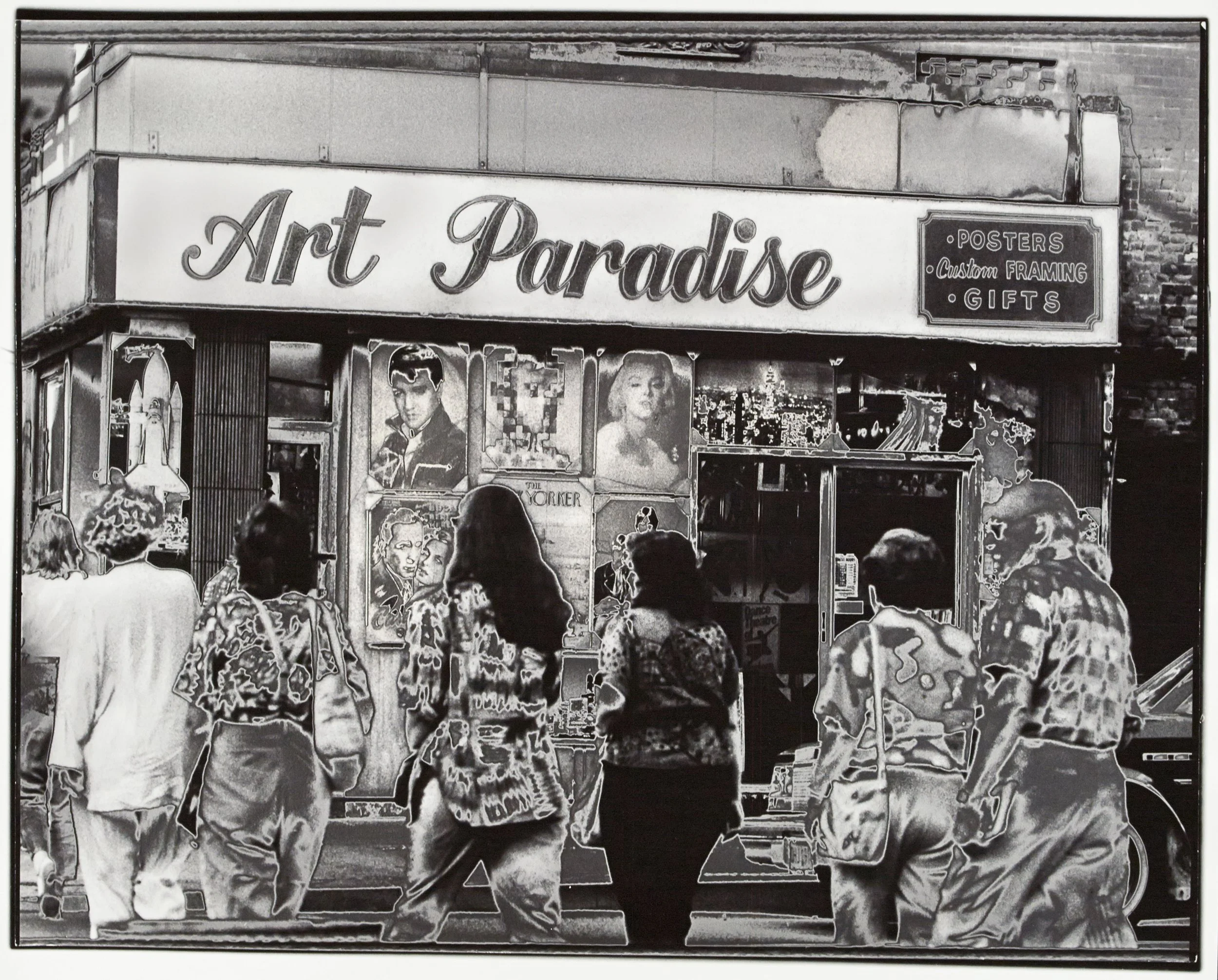
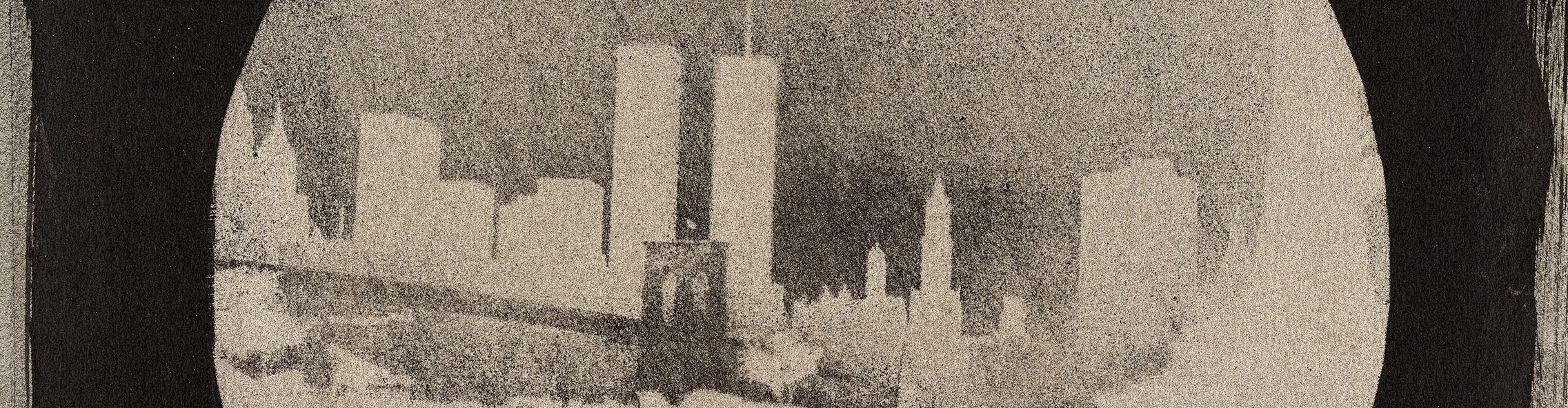
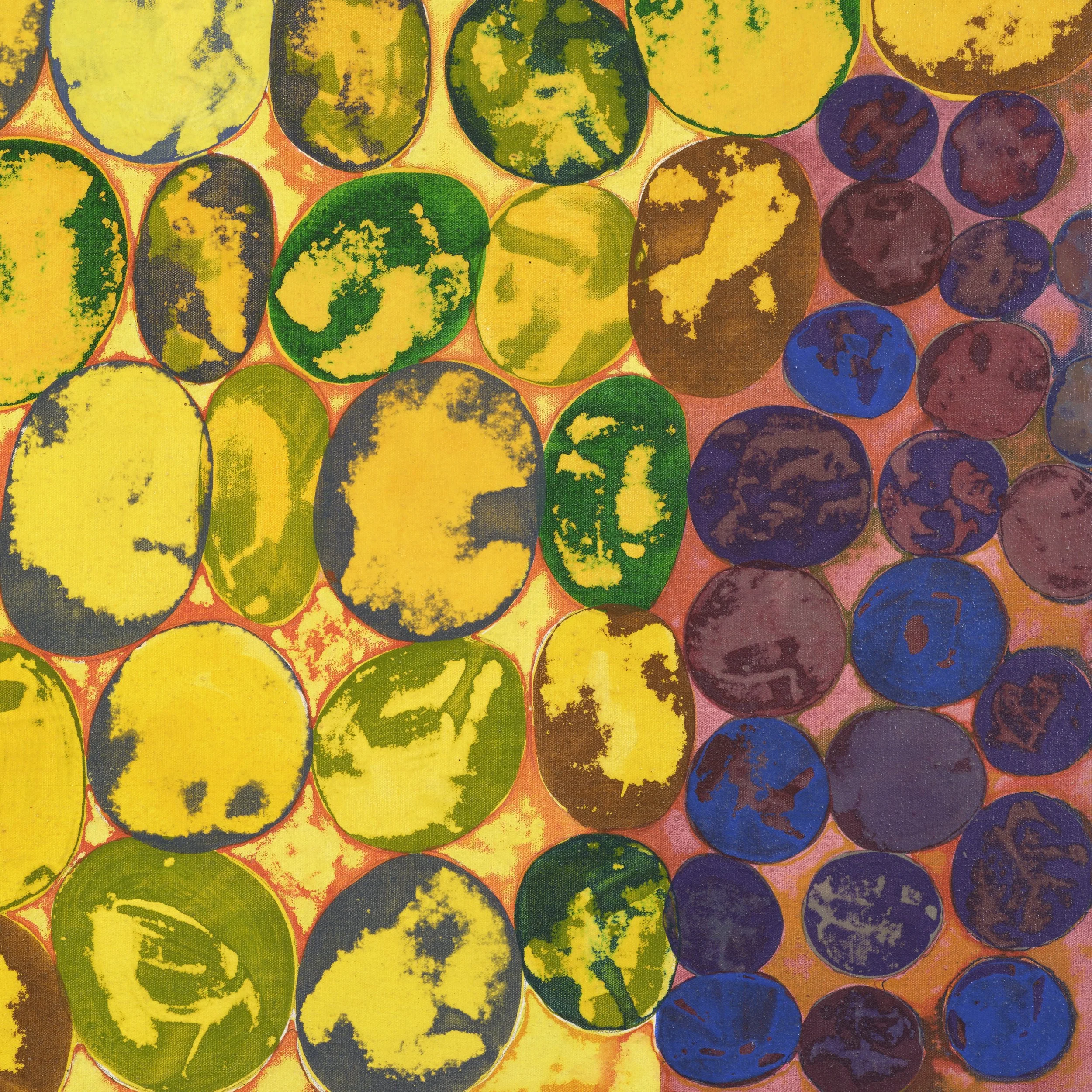
Her transition to the camera at age 50 evolved from her large abstract landscape and geometric "process" paintings of the 1960s-1970s. Soon dubbed a legend in the “Antiquarian Avant Garde” revival of 19th century photographic techniques, she brought the fine-art sensibility of historical methods such as gum bichromate, cyanotype, and metallic toning to her life as an iconoclastic street shooter in New York City, especially of vanishing old Times Square. From 1985-1989, she raced one step ahead of the wrecking balls—and sometimes behind, capturing the demolition in action as well.
"For that long final moment, every line of sight gave the camera something exotic, sordid, vulgar, picturesque, repulsive, lurid, funky, kitschy, quaint, shocking, or at the very least, illegal, like a drug sale, $10 bill in plain sight."
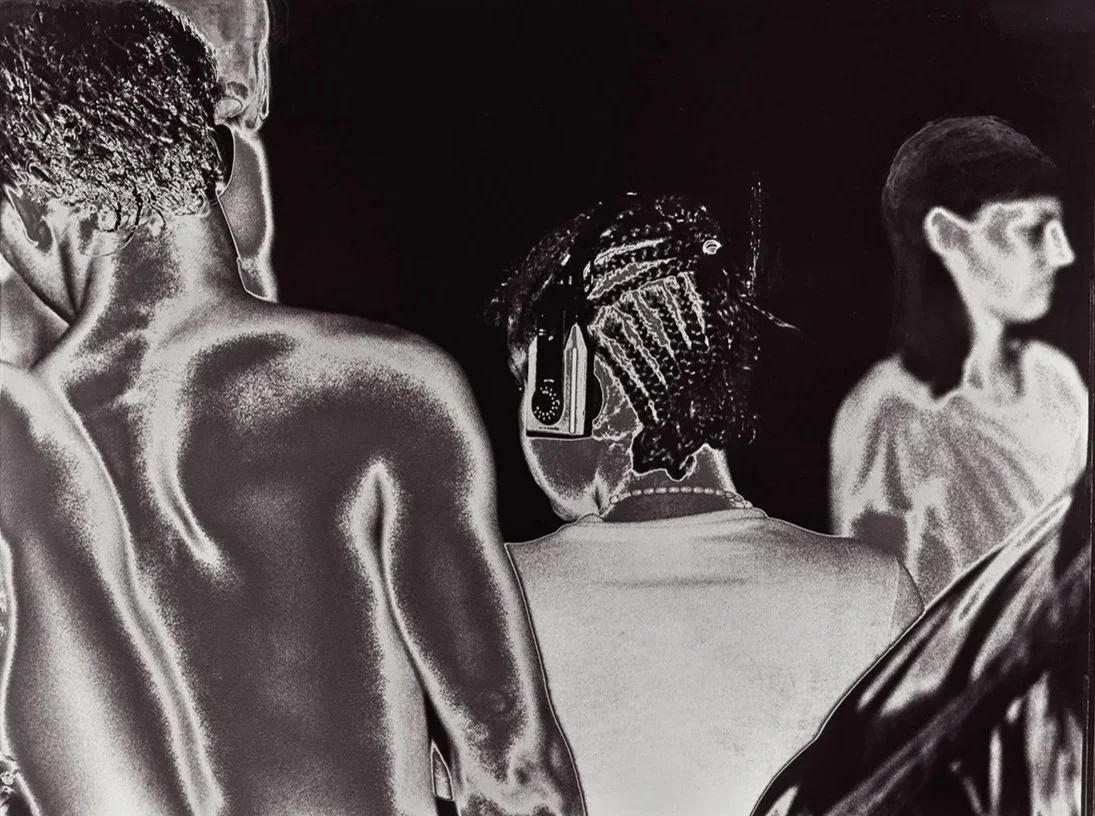
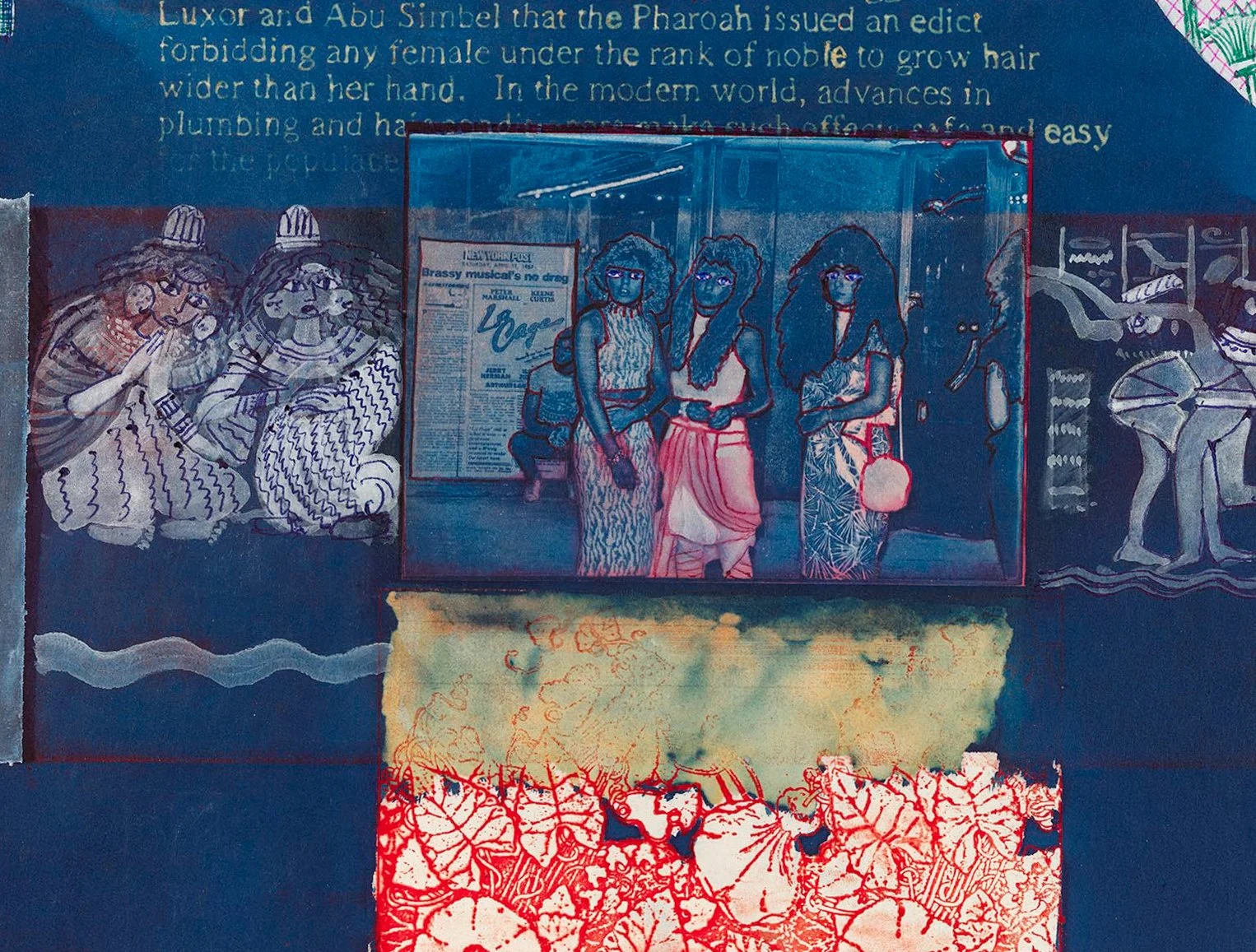
A self-described “process junkie,” her “crooked” aesthetic begins with the Sabatier technique, which creates unexpected outlines, reversals and surrealistic effects by twice flashing light on a developing darkroom print. Often printing first in black and white silver gelatin, she then repeatedly reworked her favorite images in alternative processes over decades into her 80s, adding different motifs and designs in photo transfer, ink, acrylic paint, glitter, and decoupage. Looking to historical world art traditions, she incorporated elements from Persian miniatures, erotic Japanese “Shunga,” Medieval manuscript, Art Nouveau and more into many-layered creations. “I wanted to beam reality into something transcendent,” she wrote, “to make photographs that look like art.“
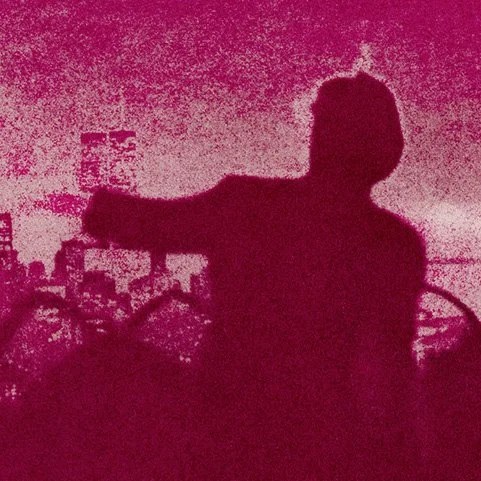
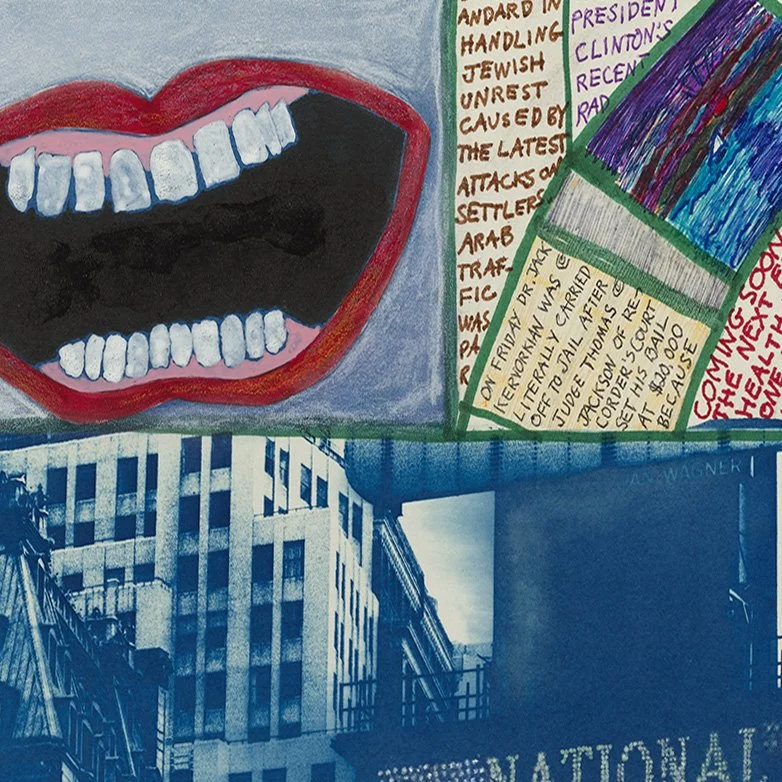
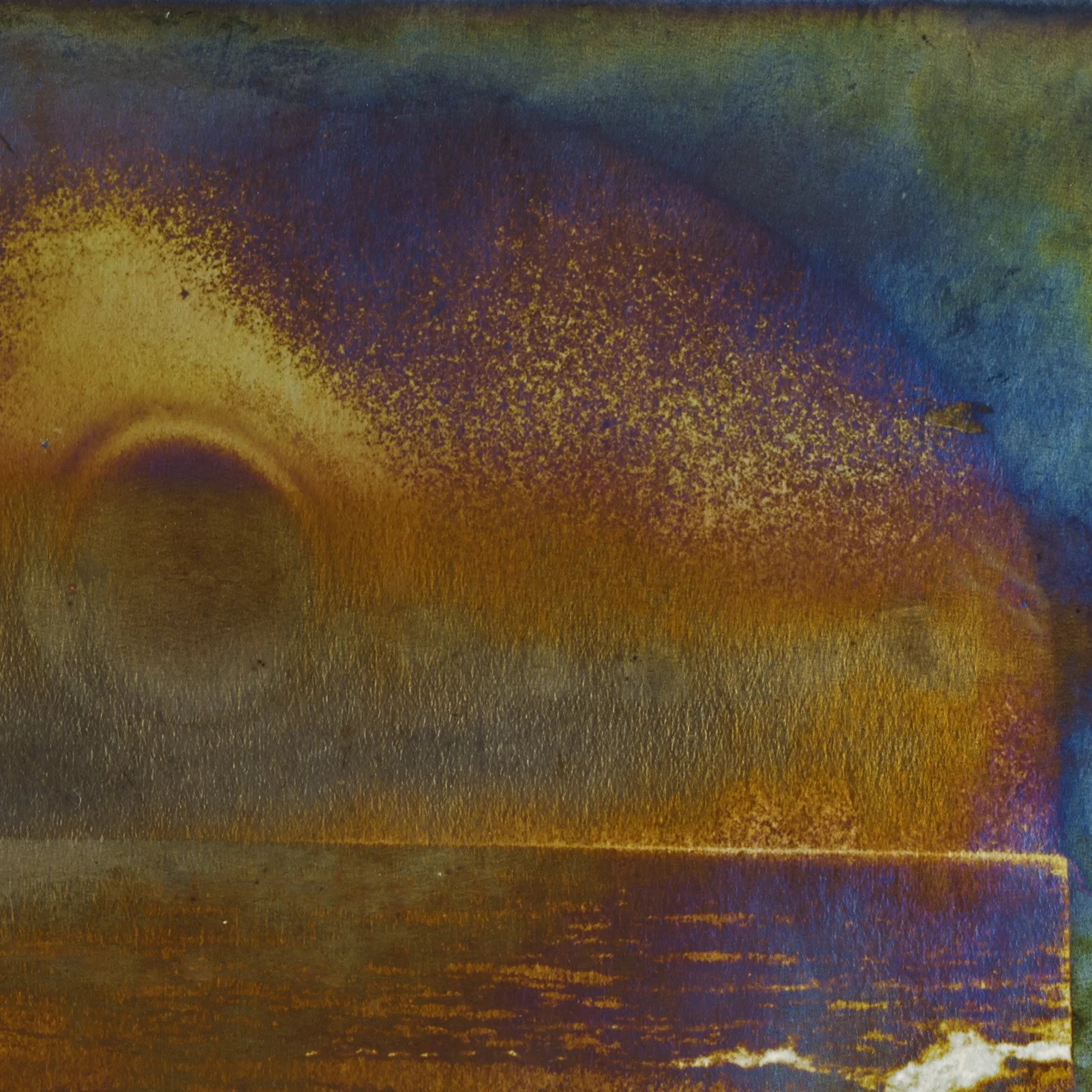
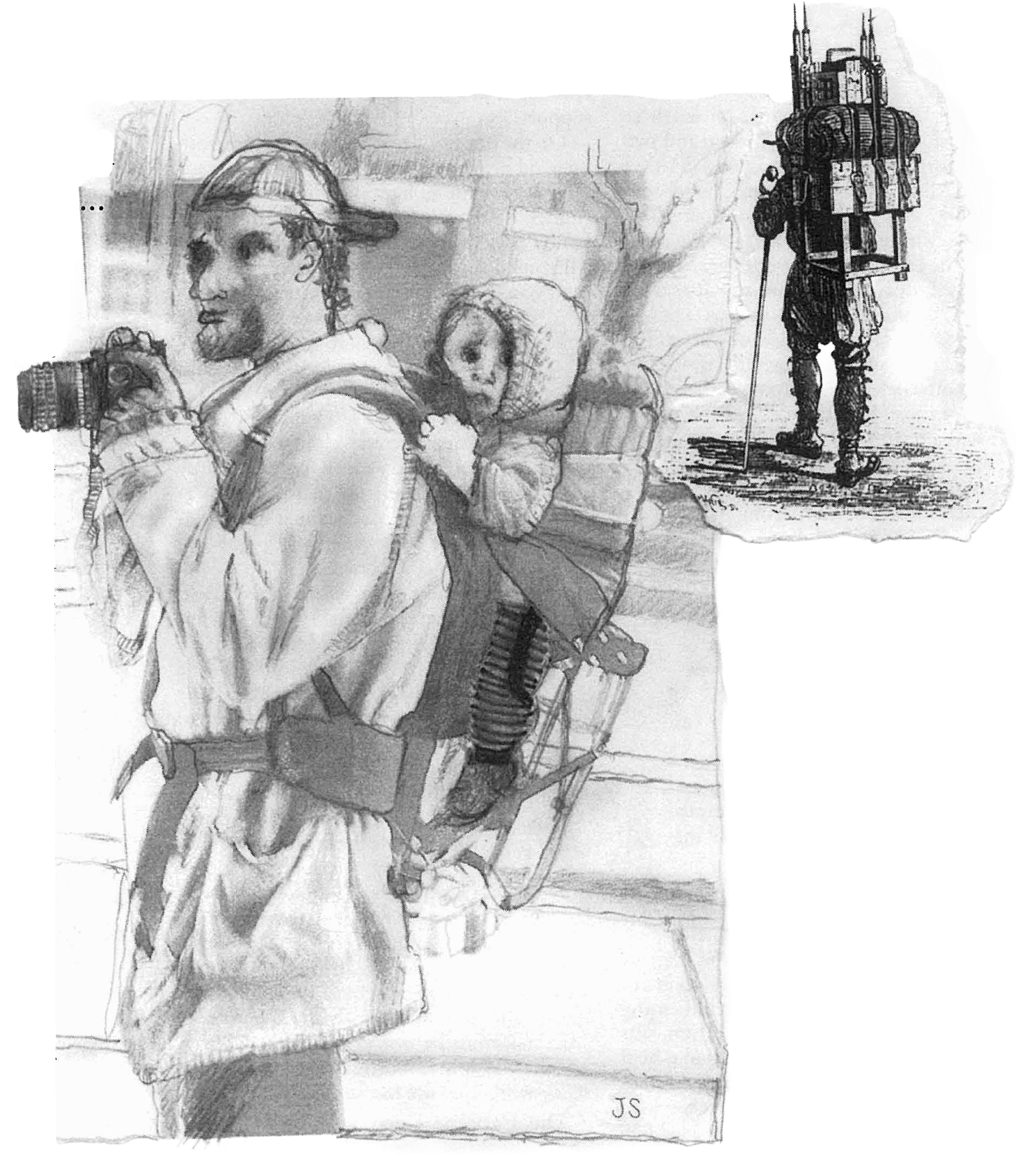
To share her expertise and build community, Seigel founded, edited and published The World Journal of Post-Factory Photography (1998–2004) as the first independent alternative photography publication in the United States.
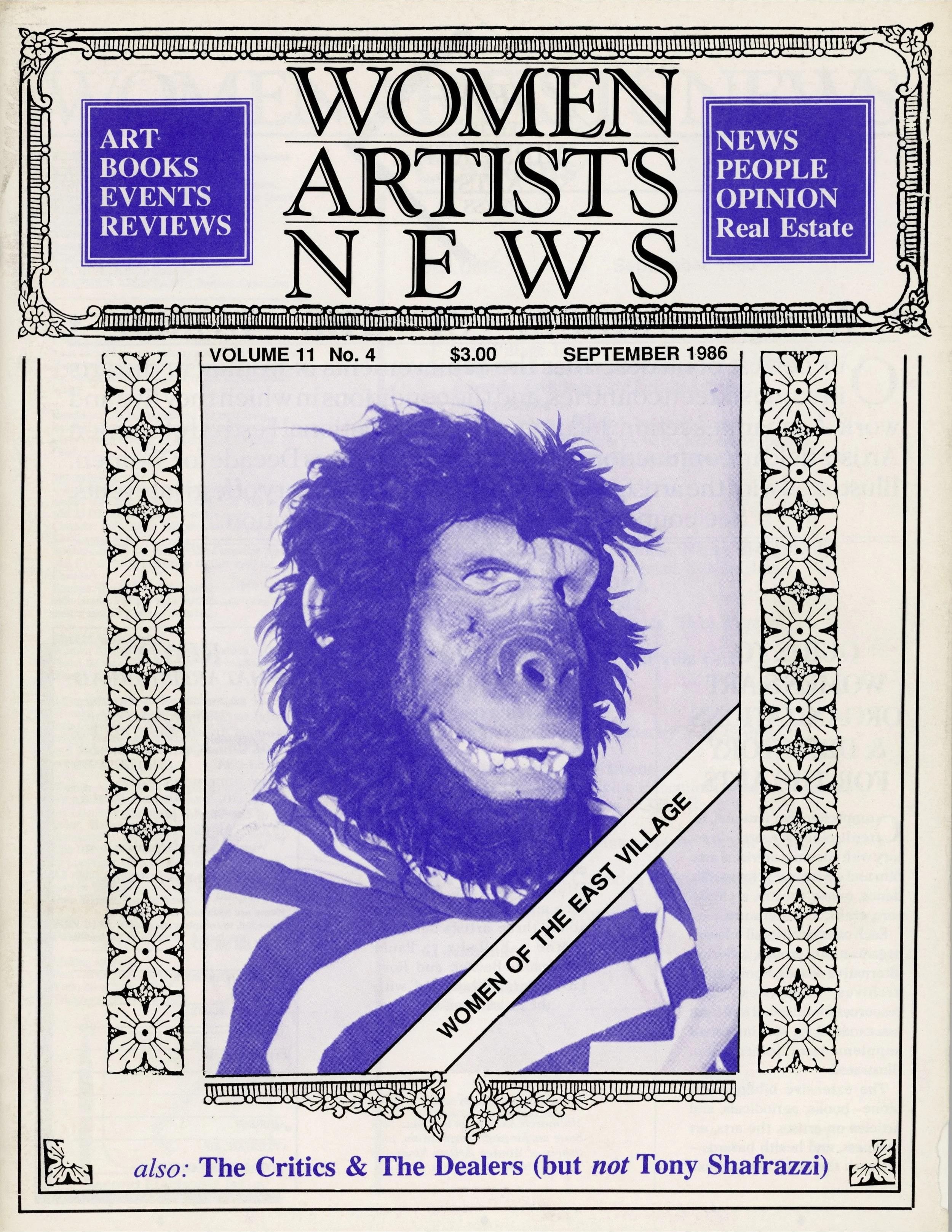
In the 1970s, she was co-founding editor of the important feminist movement publication, the Women Artists News (1975–1992), becoming an influential voice in a now legendary circle.
ALL PUBLICATIONS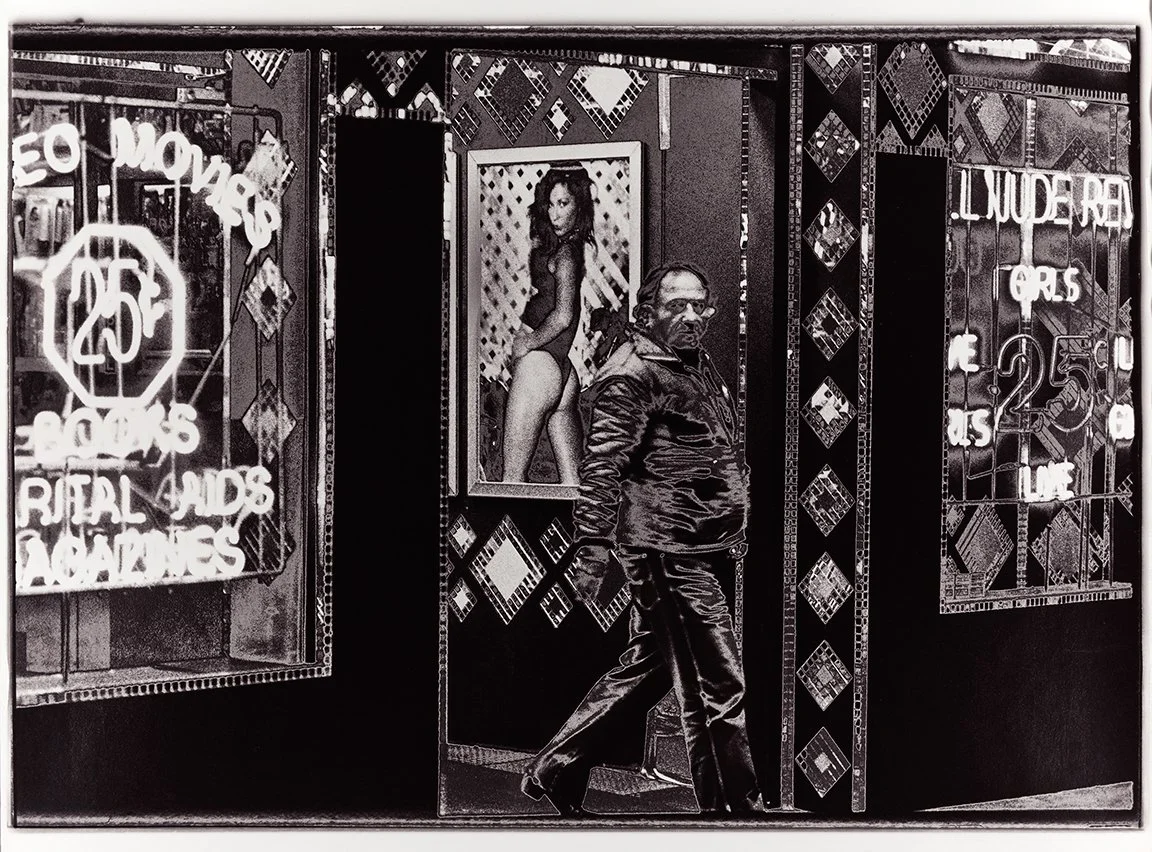
Her work is held by the Museum of Modern Art, Cooper Hewitt, the Museum of Fine Arts Houston and the New York Public Library. She and her images are featured in Christopher James’ The Book of Alternative Photographic Processes (three editions), which dubbed her a legend of the field, and Christina Z. Anderson’s Gum Printing and Other Amazing Contact Printing Processes. Critics praised her images for their “charm” (Andy Grundberg, New York Times); “the sensuousness of painterly surfaces…kinetic…something of Monet” (Malcolm Preston, Newsday); “refreshingly new…quite beautiful” (Popular Photography).
A Cooper Union graduate, she taught non-silver photography at Pratt Institute for more than a decade and lectured widely, holding among the earliest alternative process workshops at the International Center for Photography, the New School and Parsons.